Epoxy Flooring vs. Traditional Flooring: What’s Best for Your Business?

Understanding Epoxy Flooring
When considering flooring options for your business, it's essential to explore the benefits of epoxy flooring. Known for its durability and aesthetic appeal, epoxy flooring is a popular choice for many commercial spaces. This type of flooring involves applying a resin and hardener mixture over concrete, creating a smooth and robust surface.
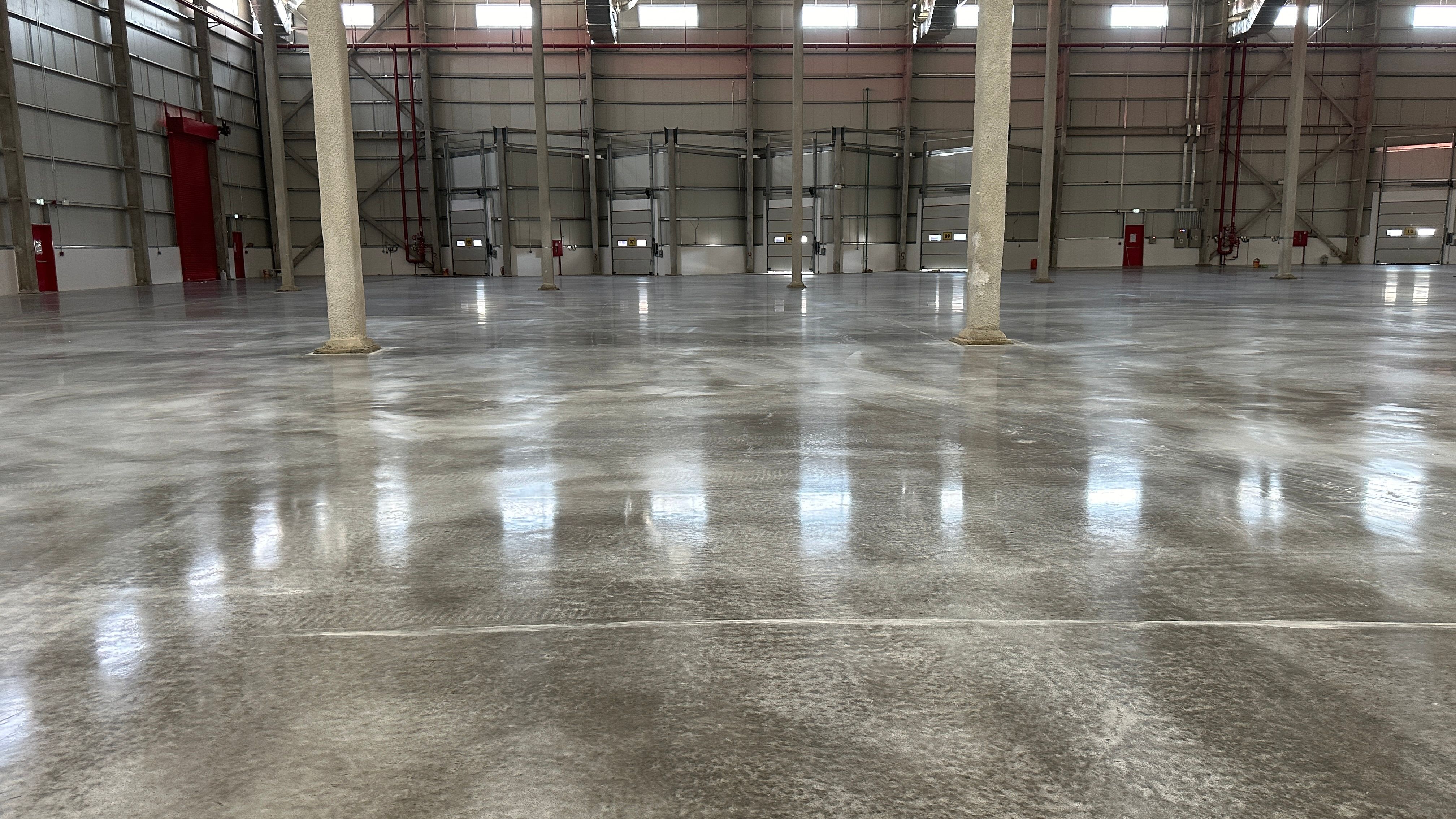
One of the main advantages of epoxy flooring is its resistance to wear and tear. Businesses that experience heavy foot traffic or use machinery will find this flooring option particularly beneficial. Additionally, epoxy flooring is highly resistant to chemicals, making it ideal for industries like automotive and pharmaceuticals.
Exploring Traditional Flooring Options
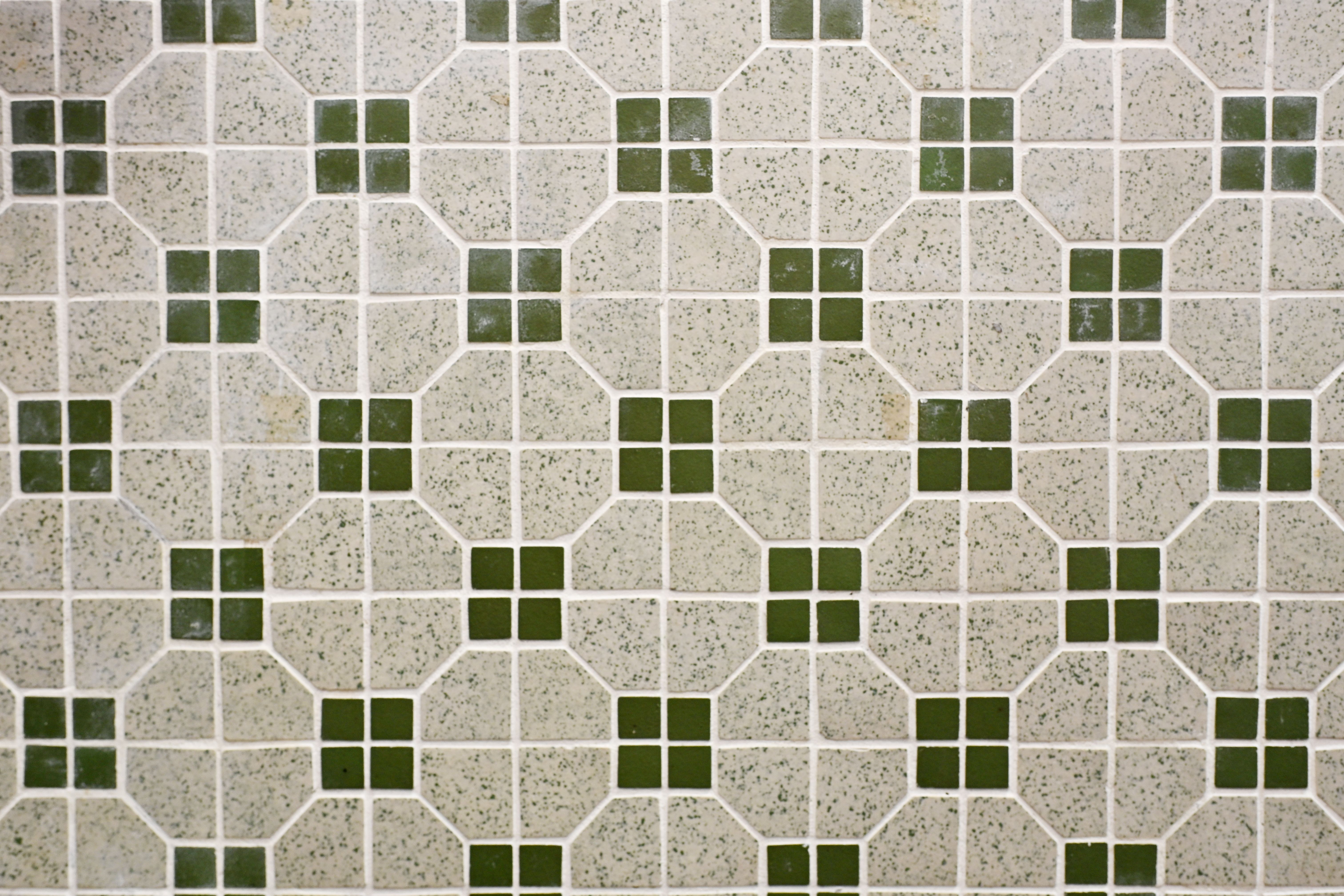
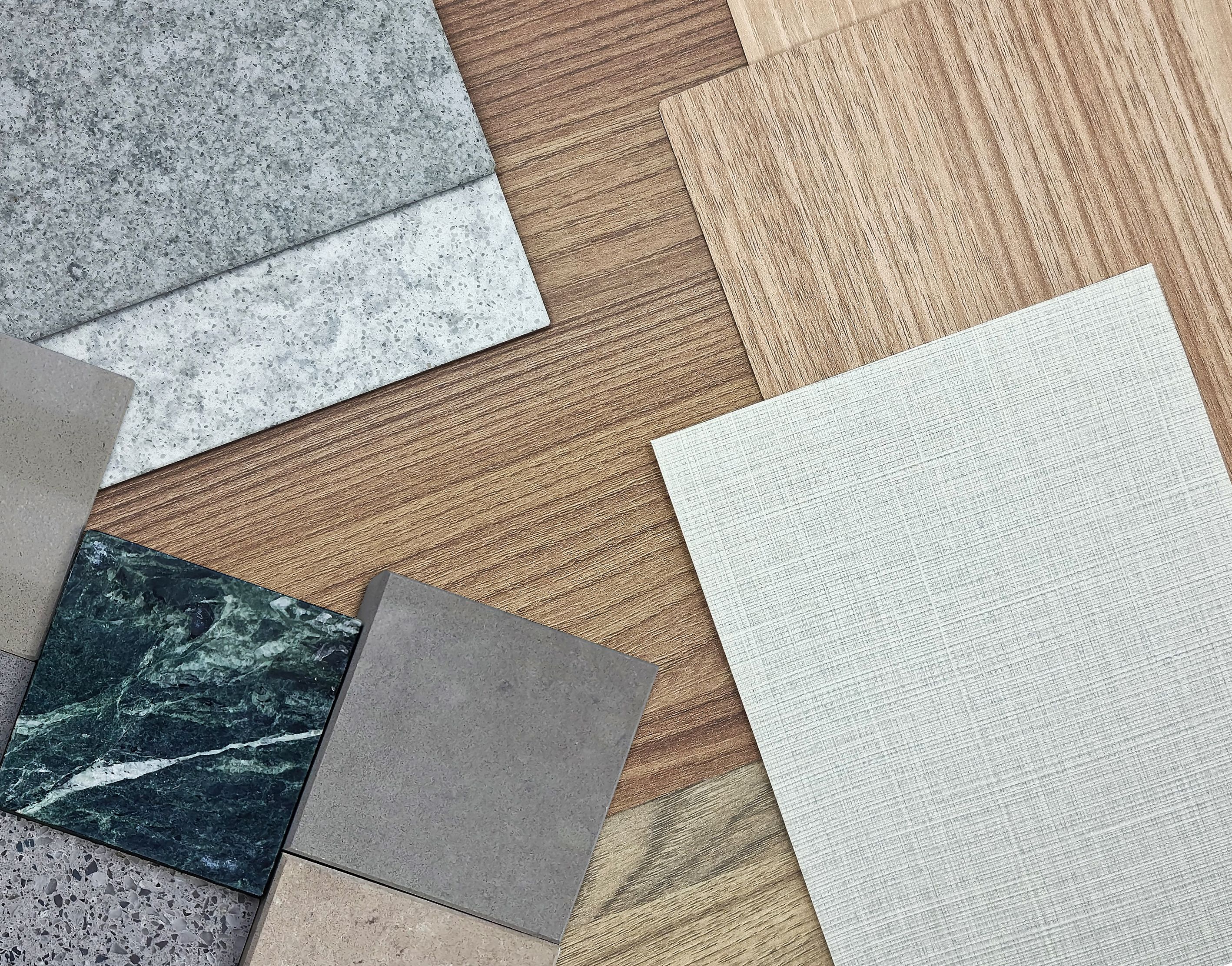
Traditional flooring options, such as carpet, hardwood, and tile, have been staples in business environments for years. Each material offers unique benefits and aesthetics, catering to different needs and preferences. Carpet provides a warm and welcoming feel, while hardwood exudes elegance and sophistication.
However, traditional flooring materials are not without their drawbacks. Carpets can be challenging to maintain and may harbor allergens, while hardwood and tiles can be susceptible to scratches and chips. These factors can impact the long-term cost-effectiveness of traditional flooring solutions.
Cost Considerations
When deciding between epoxy and traditional flooring, cost is a significant factor for many businesses. While epoxy flooring might have a higher initial cost, its longevity and low maintenance requirements often make it more economical in the long run. Traditional flooring may have lower upfront costs, but frequent repairs and maintenance can add up over time.
It's crucial to assess the specific needs of your business when considering the cost. For example, a retail store might prioritize aesthetics and choose hardwood, while a factory might value durability and opt for epoxy.
Installation and Maintenance
The installation process for epoxy flooring is generally quick, reducing downtime for businesses. However, it requires professional application to ensure proper adhesion and finish. Once installed, epoxy floors are easy to clean and maintain, requiring only routine sweeping and occasional mopping.
On the other hand, traditional flooring installation can vary. Carpet installation is relatively quick, while hardwood may take longer. Maintenance for these options can be more intensive, with regular cleaning and refinishing needed to keep them looking their best.
Environmental Impact
As businesses become more environmentally conscious, the impact of flooring materials on the environment is a growing concern. Epoxy flooring is often considered eco-friendly due to its longevity, which reduces the need for frequent replacements and waste. Additionally, some epoxy products contain low levels of volatile organic compounds (VOCs), minimizing environmental impact.
Traditional flooring materials vary in their environmental footprint. Sustainable options like bamboo flooring are available, but others may involve more significant resource consumption and waste.
Final Thoughts
Choosing the right flooring for your business involves balancing factors like cost, durability, maintenance, and environmental impact. Epoxy flooring offers a robust, low-maintenance solution that excels in high-traffic and industrial environments. Traditional flooring options provide versatility and aesthetic variety, suitable for businesses prioritizing appearance.
Ultimately, the best choice depends on your unique business needs and priorities. Consulting with a flooring specialist can provide further insights and help you make an informed decision.