Epoxy Flooring vs. Traditional Flooring: Which is Right for Your Workshop?

Understanding Epoxy Flooring
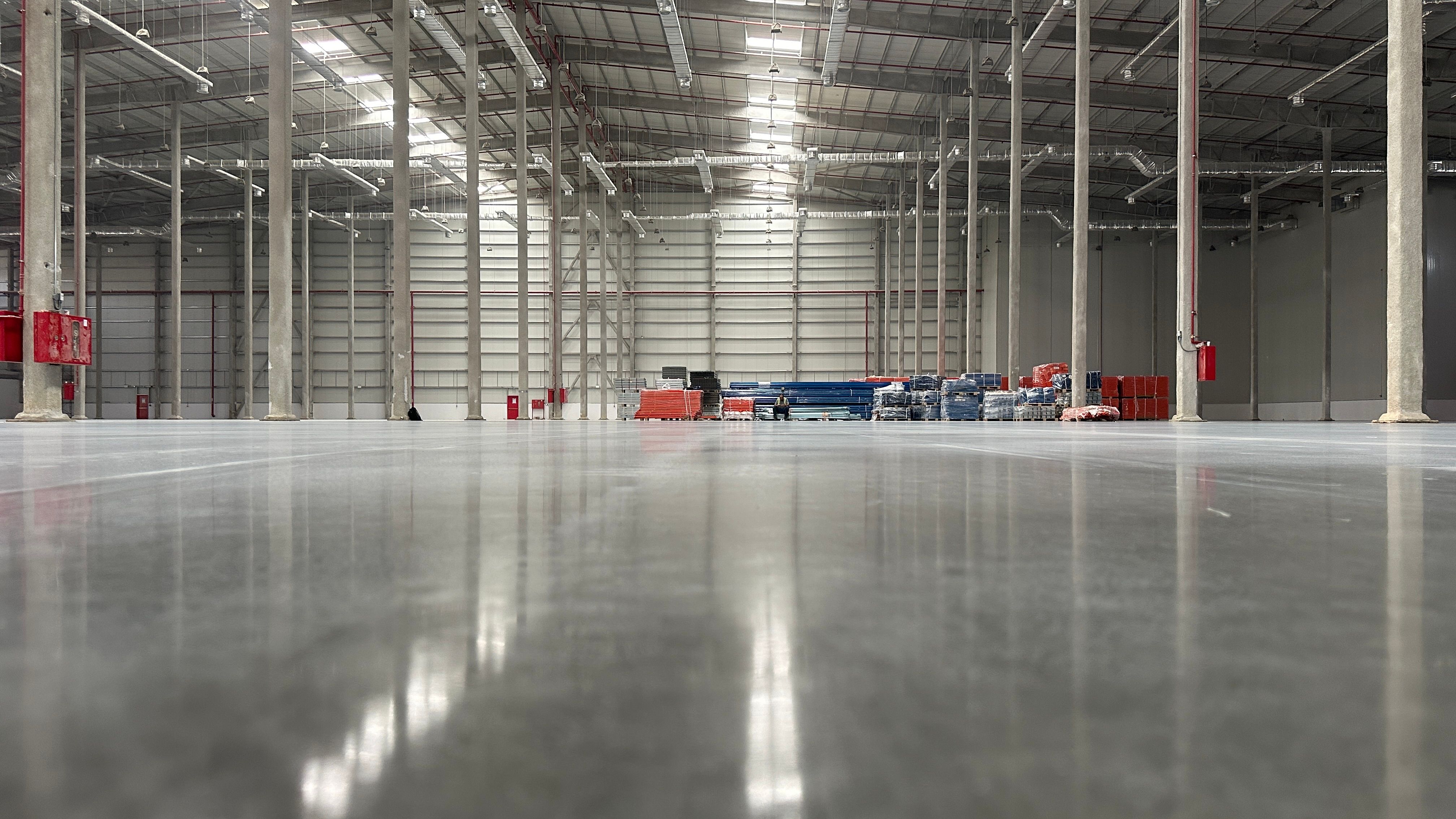
When considering flooring options for your workshop, it's crucial to understand the benefits of epoxy flooring. Epoxy flooring is a durable and versatile option that many business owners and hobbyists prefer for their workspaces. It is created by applying layers of epoxy resin over a concrete floor, resulting in a smooth, high-gloss finish that is both aesthetically pleasing and functional.
Advantages of Epoxy Flooring
One of the main advantages of epoxy flooring is its durability. This type of flooring can withstand heavy traffic and resist wear and tear, making it ideal for workshops where machinery, tools, and heavy equipment are constantly in use. Additionally, epoxy flooring is resistant to chemicals, which is a significant benefit if your workshop involves the use of corrosive substances.
Another key benefit is the ease of maintenance. Epoxy floors are seamless and non-porous, which means they do not absorb spills and are easy to clean. This helps in maintaining a safe and hygienic workspace, reducing the time and effort spent on cleaning and maintenance.
Exploring Traditional Flooring Options
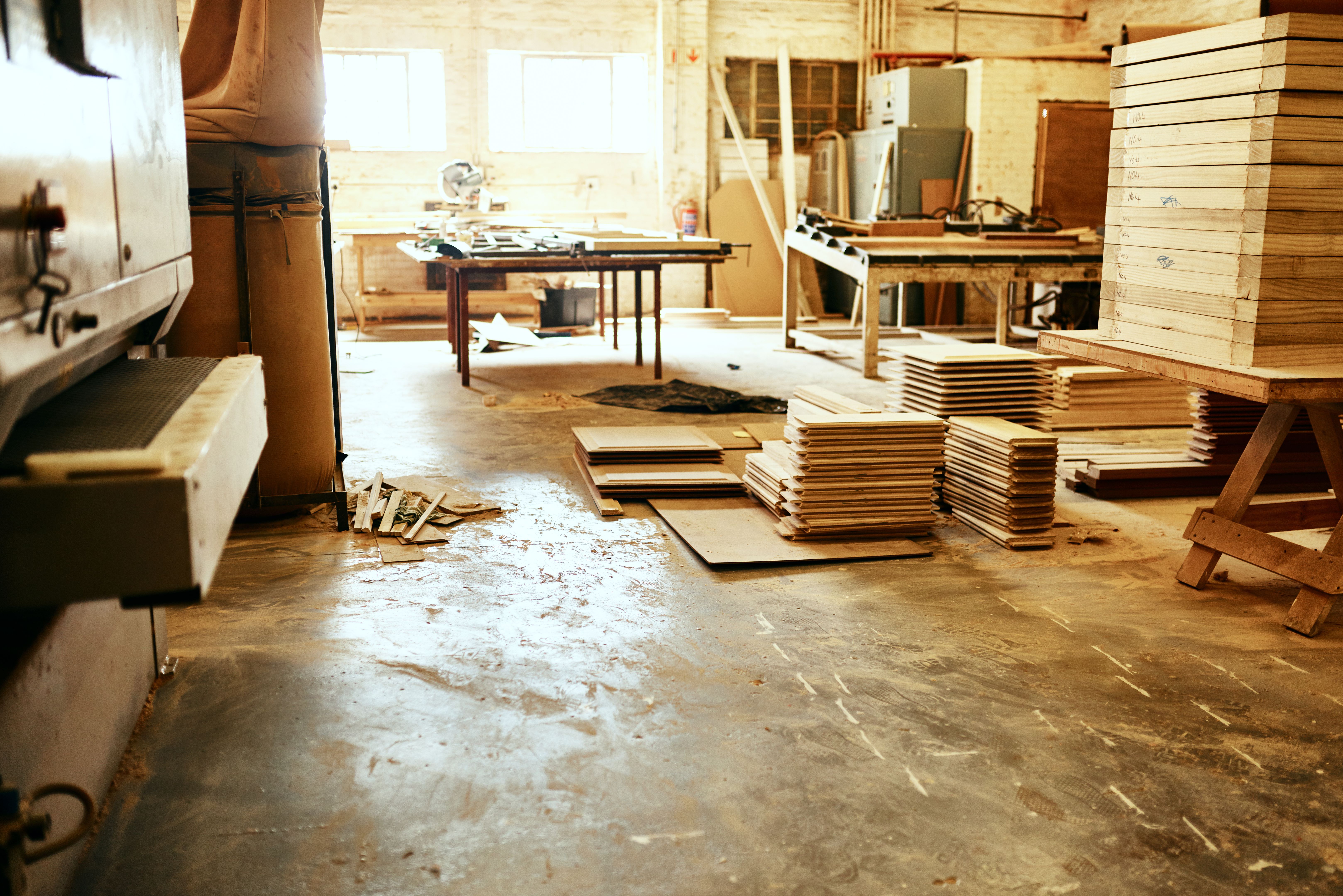
Traditional flooring options, such as concrete, tile, or wood, each have their own set of advantages and disadvantages. Concrete is often praised for its strength and longevity, while tile flooring offers a wide range of design possibilities. Wood floors, on the other hand, provide a classic look and feel, though they may require more maintenance compared to other materials.
Comparing Installation and Costs
When it comes to installation, epoxy flooring might initially seem more expensive due to the cost of materials and professional installation. However, its long-term benefits often justify the initial investment. Traditional flooring options might be less costly upfront, but they can incur higher maintenance and repair costs over time.
It's essential to consider the overall lifespan and maintenance costs when deciding between epoxy and traditional flooring. While traditional floors might need frequent repairs, epoxy flooring is designed to last, potentially saving you money in the long run.
Safety and Aesthetic Considerations
Safety is a paramount concern in any workshop environment. Epoxy flooring can be customized with anti-slip additives to enhance safety. Moreover, its reflective surface increases visibility by improving lighting conditions, which is a crucial factor in busy workspaces.

From an aesthetic standpoint, both epoxy and traditional flooring offer a variety of design options. Epoxy is available in numerous colors and finishes, allowing you to customize your workshop according to your preferences. Traditional flooring materials also come in various styles, but may not offer the same level of customization as epoxy.
Making the Right Choice for Your Workshop
Ultimately, the choice between epoxy and traditional flooring will depend on your specific needs and priorities. Consider factors such as budget, maintenance, safety, and aesthetics when making your decision. If durability, low maintenance, and safety are your primary concerns, epoxy flooring might be the better option. However, if you prefer a more classic look and feel with the availability of different materials, traditional flooring could be more suitable.
By carefully evaluating these factors, you can make an informed decision that enhances the functionality and appearance of your workshop, ensuring a productive and safe environment for years to come.