Epoxy vs. Polyaspartic Coatings: Which is Best for Your Space?

Understanding Epoxy and Polyaspartic Coatings
When it comes to flooring options for your space, epoxy and polyaspartic coatings are two of the most popular choices. Both offer unique benefits and can transform the look and durability of your floors. However, selecting the right one depends on your specific needs and environment.
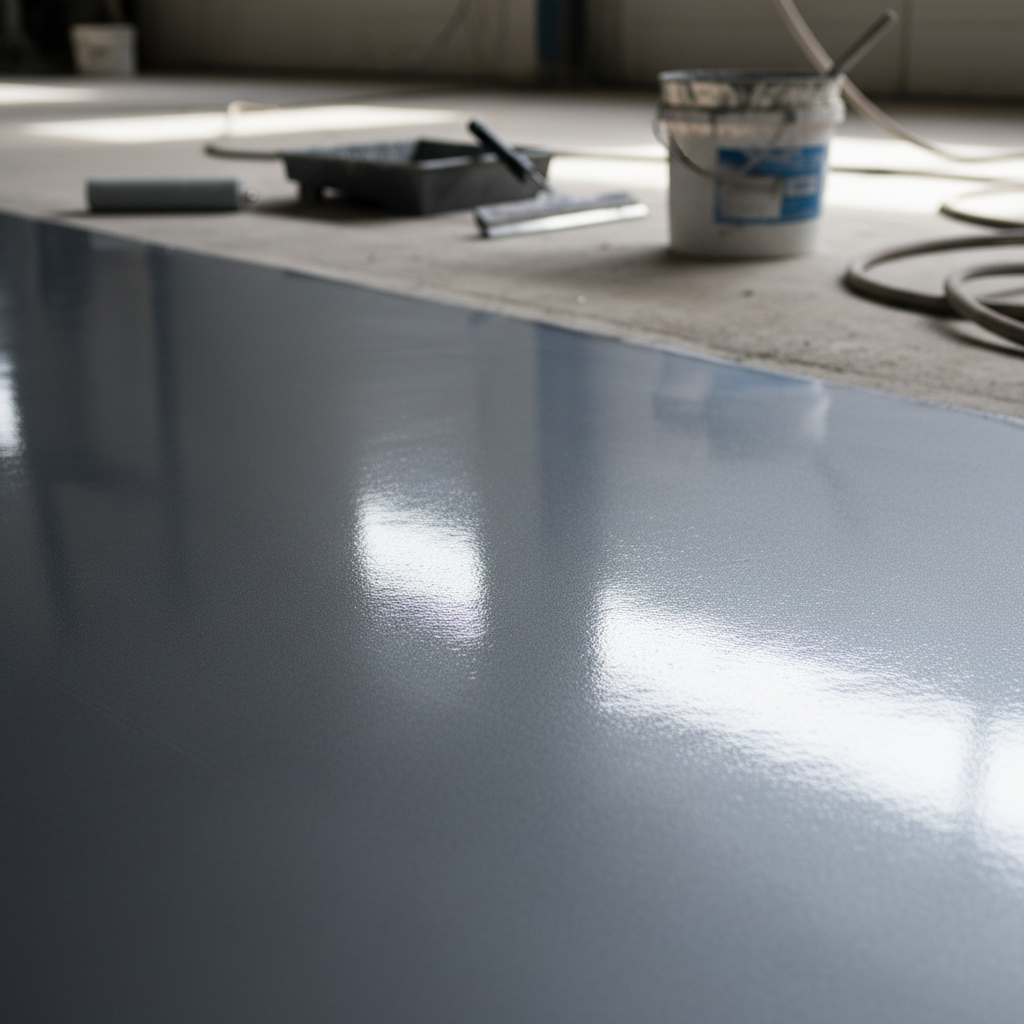
Epoxy coatings have long been favored for their durability and aesthetic appeal. Known for their high-gloss finish and robust resistance to wear and tear, they’re a staple in industrial and commercial settings.
The Benefits of Epoxy Coatings
Epoxy coatings are celebrated for their durability and cost-effectiveness. They provide a hard, chemical-resistant surface that can withstand heavy loads, making them ideal for garages, warehouses, and factories. Additionally, epoxy can be customized with various colors and patterns, offering versatility in design.
However, epoxy does have its downsides. It requires a longer curing time, often taking several days to fully harden. This can be a disadvantage in settings where quick installation is necessary. Furthermore, epoxy is sensitive to UV exposure, which can lead to yellowing over time.
The Advantages of Polyaspartic Coatings
Polyaspartic coatings are a newer innovation in the world of flooring. They offer rapid curing times, often allowing floors to be used within hours of application. This makes them an excellent choice for projects with tight timelines.
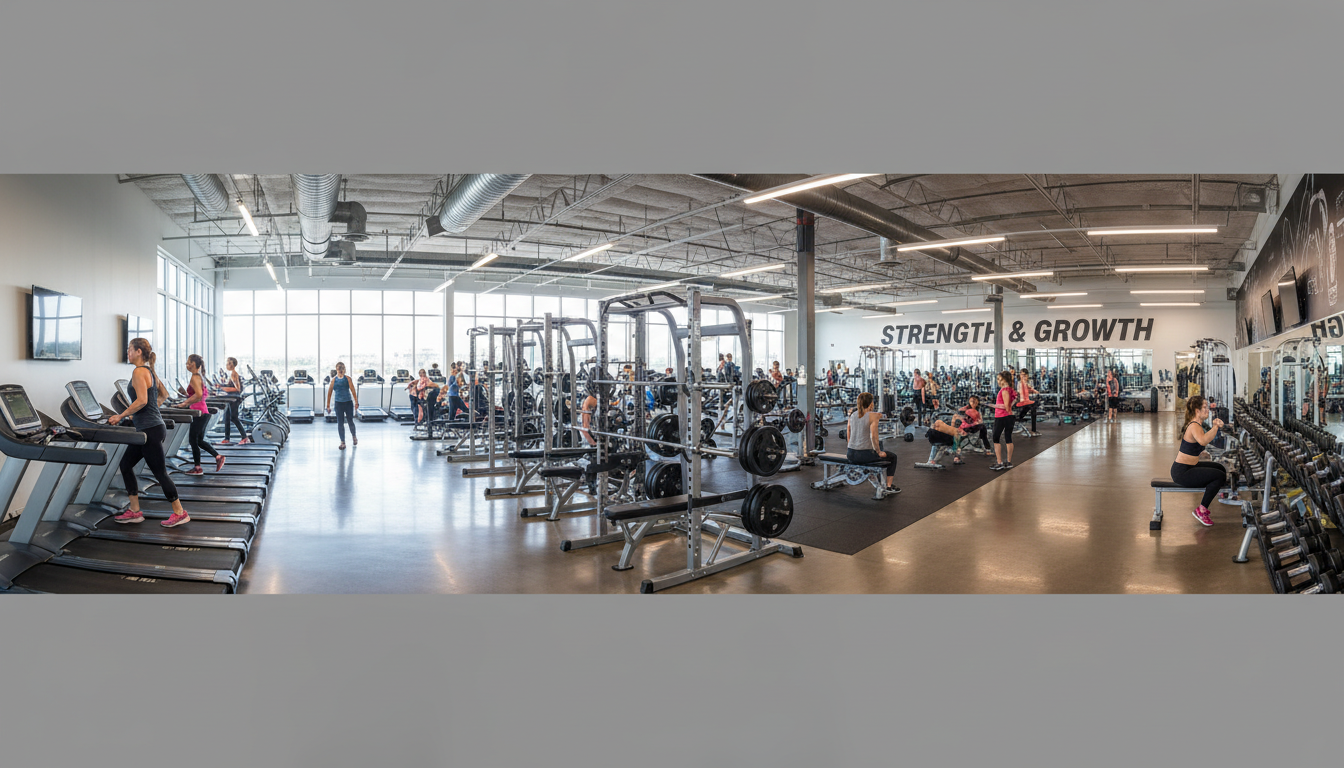
Another advantage of polyaspartic coatings is their superior UV resistance, ensuring that the floors maintain their color and finish even under direct sunlight. This makes them particularly suitable for outdoor spaces or areas with large windows.
Comparing Durability and Application
In terms of durability, both epoxy and polyaspartic coatings offer significant protection. However, polyaspartic coatings tend to be more flexible, which can help prevent cracking under pressure. This flexibility, combined with their quick application, often makes them a preferred choice for high-traffic areas.
Cost Considerations
When it comes to cost, epoxy coatings generally offer a more budget-friendly option. They have been around longer, and the materials are often less expensive. However, the longer curing time and potential for UV damage might add to future maintenance costs.
Polyaspartic coatings, while typically more expensive upfront, may offer savings in the long run due to their durability and reduced maintenance needs. The rapid application time can also save on labor costs, especially in commercial settings where downtime is costly.
Making the Right Choice for Your Space
Ultimately, the decision between epoxy and polyaspartic coatings should be based on your specific requirements. Consider factors such as environmental conditions, intended use of the space, and budget constraints. Consulting with a flooring expert can also help guide you to the right choice for your situation.