Epoxy vs. Traditional Flooring: Which is Right for You?


Understanding Epoxy and Traditional Flooring
When it comes to choosing the right flooring for your space, the decision often comes down to epoxy versus traditional flooring. Both options have distinct characteristics that cater to different needs and preferences. Understanding these can help you make an informed decision.
Epoxy flooring is a modern solution known for its durability and sleek appearance. It is created by applying a resin and hardener to a substrate, forming a hard plastic-like surface. In contrast, traditional flooring encompasses a range of materials such as hardwood, tile, and carpet, each offering unique aesthetics and benefits.
Durability and Maintenance
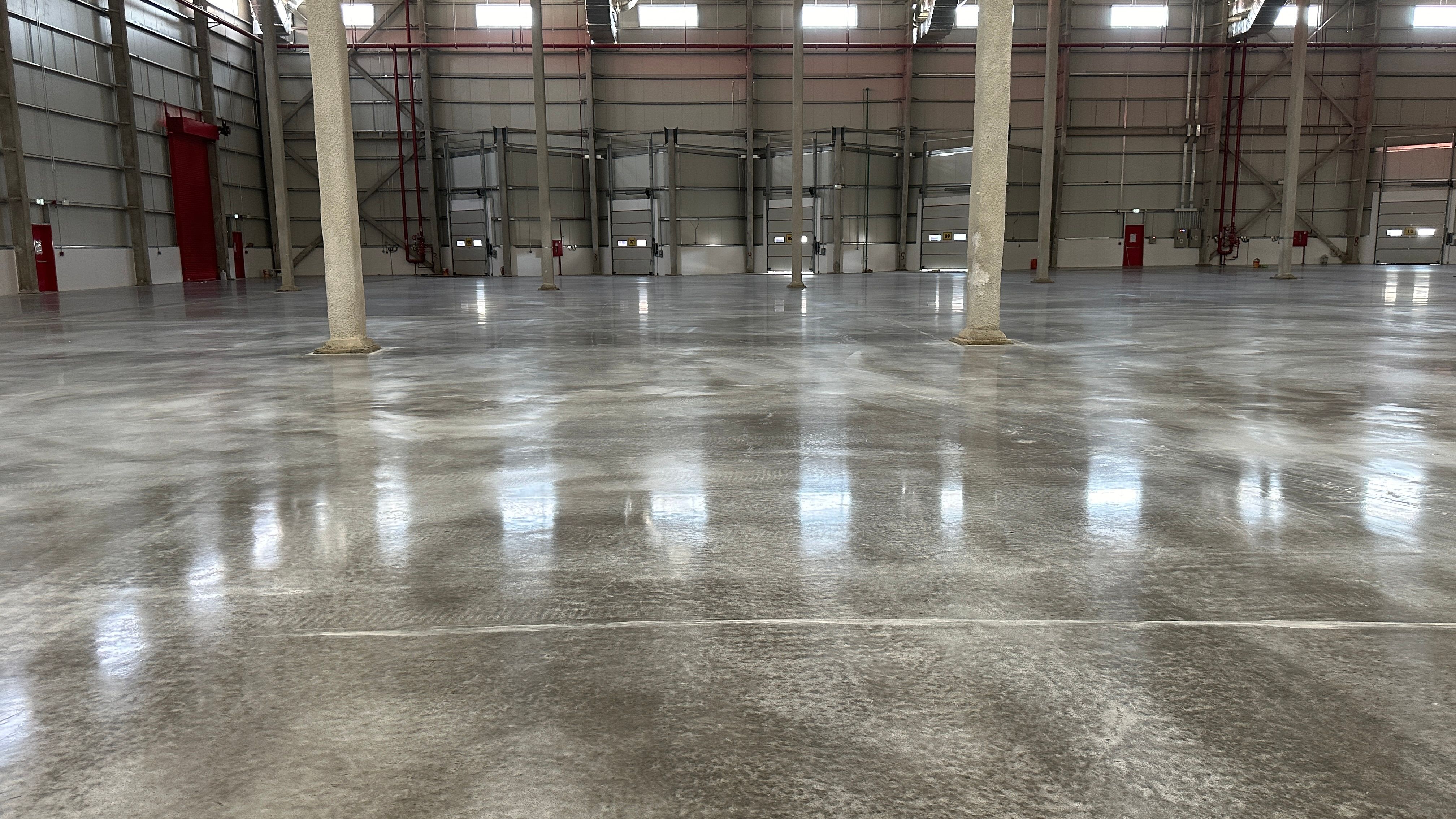
Durability is a significant factor when choosing flooring. Epoxy flooring is renowned for its resilience, making it ideal for high-traffic areas like garages and commercial spaces. It withstands heavy loads, impacts, and chemical spills without significant damage.
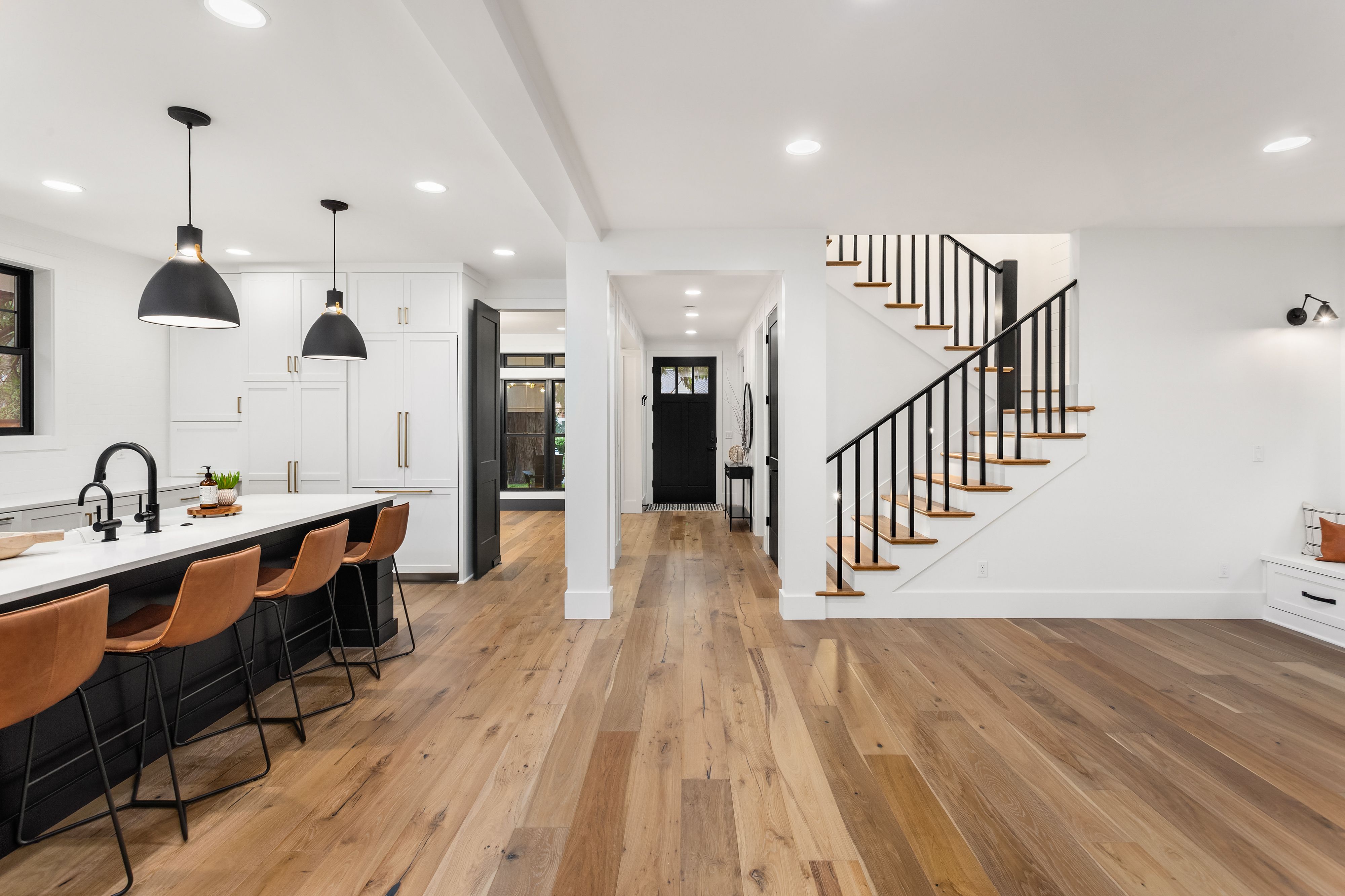
Traditional flooring materials, such as hardwood, can also be durable but may require more maintenance. For instance, hardwood needs regular polishing and can be susceptible to scratches and water damage. Tiles are durable but can crack if heavy objects are dropped on them.
Cost Considerations
Cost is another crucial aspect to consider. Epoxy flooring is generally cost-effective due to its longevity and low maintenance requirements. However, the initial installation can be more expensive compared to some traditional flooring options.
Traditional flooring costs vary widely. While materials like vinyl can be budget-friendly, options like hardwood and natural stone can be more costly. Additionally, traditional flooring may incur higher maintenance costs over time.

Aesthetic Appeal
When it comes to aesthetics, personal preference plays a huge role. Epoxy flooring offers a modern, glossy finish with a variety of customization options, including colors and patterns. This makes it a popular choice for contemporary spaces.
Traditional flooring offers a classic appeal. Hardwood provides a warm, natural look, while tiles offer diverse styles and designs. Carpet adds a cozy feel, making it suitable for bedrooms and living areas.
Environmental Impact
For eco-conscious consumers, the environmental impact of flooring materials is an important consideration. Epoxy flooring is durable and long-lasting, reducing the need for frequent replacements. However, it is a synthetic material, which may not be the top choice for those seeking natural options.
Traditional flooring materials like wood and stone are natural but may involve resource-intensive extraction processes. Sustainable options, such as bamboo or reclaimed wood, can offer environmentally friendly alternatives.

Making the Right Choice
Ultimately, the choice between epoxy and traditional flooring depends on your specific needs, preferences, and budget. Consider factors such as the intended use of the space, desired aesthetics, and long-term maintenance when making your decision.
By weighing the pros and cons of each option, you can select a flooring solution that not only enhances the beauty of your space but also meets your practical needs.