The Ultimate Guide to Industrial Epoxy Flooring for Commercial Spaces


Introduction to Industrial Epoxy Flooring
Industrial epoxy flooring has become a popular choice for commercial spaces due to its durability, aesthetic appeal, and cost-effectiveness. Whether you're managing a warehouse, retail space, or manufacturing plant, understanding the benefits and applications of epoxy flooring can be crucial to making an informed decision.
Benefits of Epoxy Flooring
Durability and Longevity
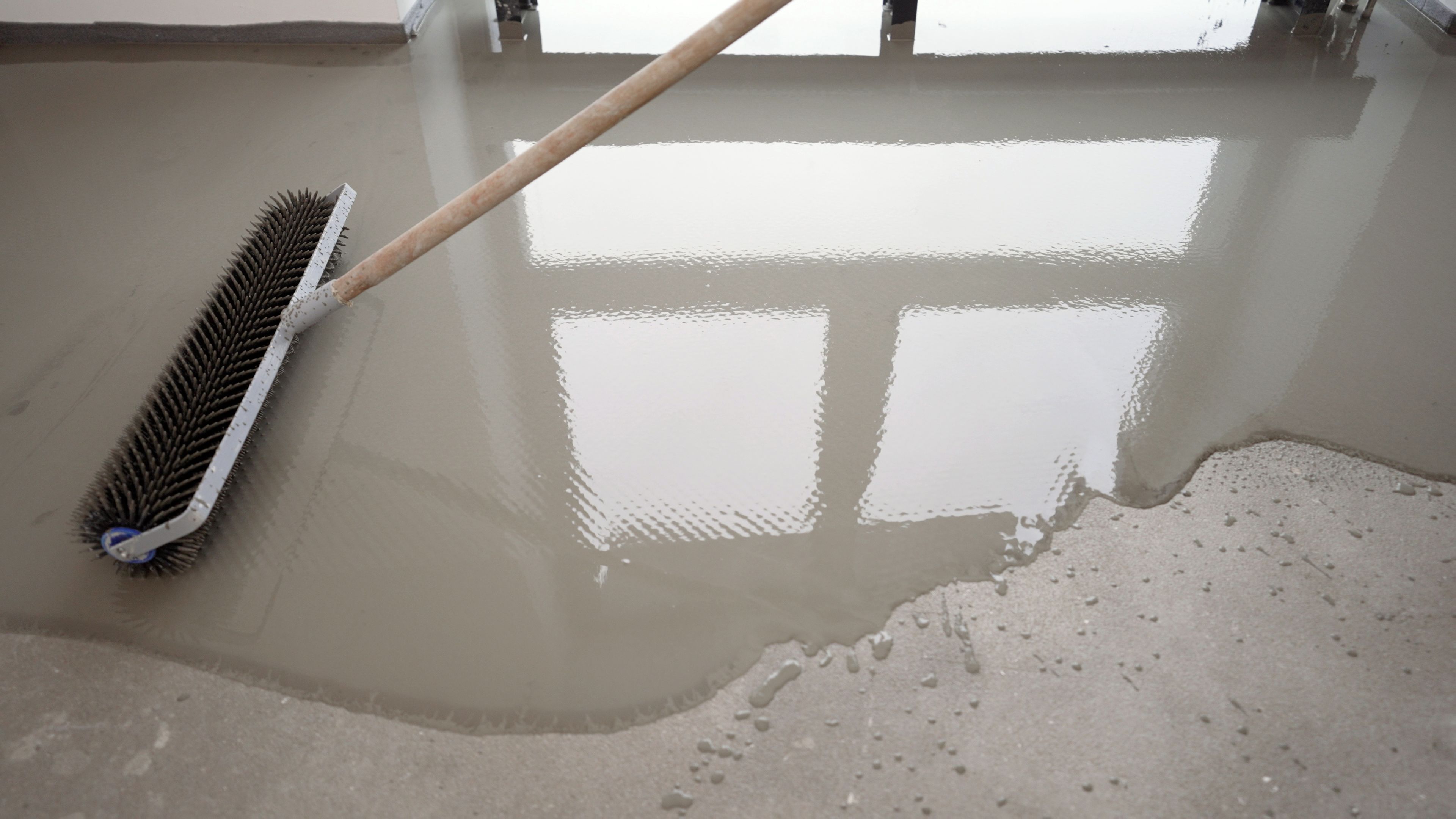
One of the most significant advantages of epoxy flooring is its exceptional durability. Designed to withstand heavy traffic, chemical spills, and abrasions, epoxy floors are perfect for industrial environments. This resilience translates to a longer lifespan compared to traditional flooring options.
Easy Maintenance
Maintaining epoxy flooring is straightforward. Its seamless surface is resistant to dirt and stains, making it easy to clean. Regular sweeping and occasional mopping are often all that's needed to maintain its appearance, saving both time and maintenance costs.
Types of Epoxy Flooring
Self-Leveling Epoxy Floors
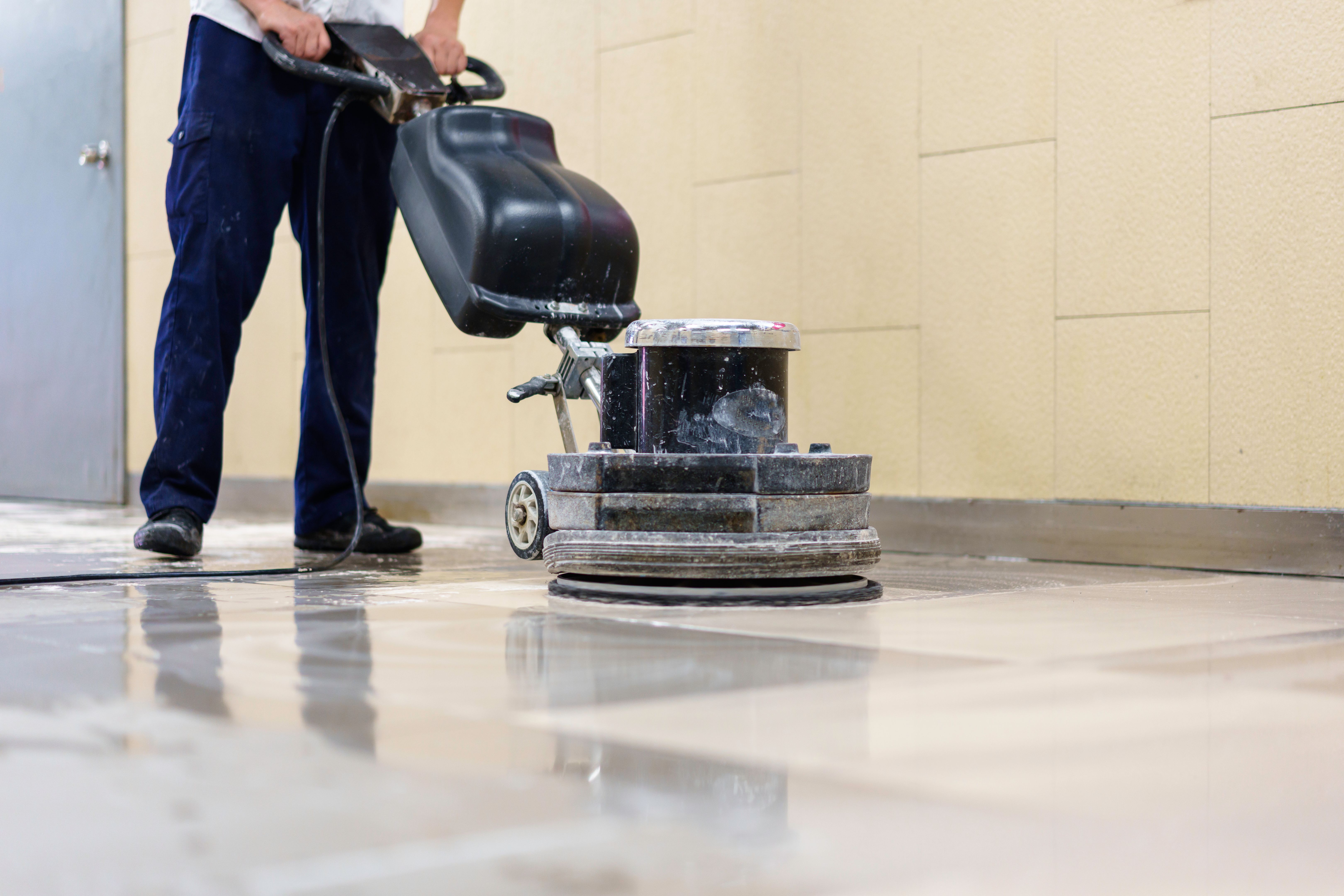
Self-leveling epoxy is ideal for new or old concrete floors. It creates a smooth, seamless surface that covers imperfections. This type is often used in warehouses, commercial garages, and kitchens.
Epoxy Mortar Floors
As the most robust epoxy flooring option, epoxy mortar floors are used in areas that require a high degree of impact resistance. This type is often applied in heavy industrial spaces, providing a durable and resilient flooring solution.

Installation Process
The installation of epoxy flooring involves several steps, each crucial to ensure a flawless finish. The process typically includes:
- Preparing the surface by cleaning and repairing any damage.
- Applying a primer to ensure proper adhesion.
- Mixing and applying the epoxy resin.
- Allowing time for the resin to cure.
Choosing the Right Epoxy Flooring
Selecting the right type of epoxy flooring depends on various factors, including the intended use of the space, the level of foot traffic, and aesthetic preferences. Consulting with a professional can help ensure the best choice for your specific needs.
Cost Considerations
While epoxy flooring offers long-term savings due to its durability and low maintenance, initial installation costs can vary. Factors such as the size of the area, the type of epoxy used, and the condition of the existing floor all influence the total cost.
Conclusion
Industrial epoxy flooring provides an excellent combination of durability, aesthetics, and cost-effectiveness for commercial spaces. By understanding its benefits, types, and installation process, you can make an informed decision that enhances the functionality and appearance of your facility.